Archives
- 2026-07
- 2026-06
- 2026-05
- 2026-04
- 2026-03
- 2026-02
- 2026-01
- 2025-12
- 2025-11
- 2025-10
- 2025-09
- 2025-03
- 2025-02
- 2025-01
- 2024-12
- 2024-11
- 2024-10
- 2024-09
- 2024-08
- 2024-07
- 2024-06
- 2024-05
- 2024-04
- 2024-03
- 2024-02
- 2024-01
- 2023-12
- 2023-11
- 2023-10
- 2023-09
- 2023-08
- 2023-07
- 2023-06
- 2023-05
- 2023-04
- 2023-03
- 2023-02
- 2023-01
- 2022-12
- 2022-11
- 2022-10
- 2022-09
- 2022-08
- 2022-07
- 2022-06
- 2022-05
- 2022-04
- 2022-03
- 2022-02
- 2022-01
- 2021-12
- 2021-11
- 2021-10
- 2021-09
- 2021-08
- 2021-07
- 2021-06
- 2021-05
- 2021-04
- 2021-03
- 2021-02
- 2021-01
- 2020-12
- 2020-11
- 2020-10
- 2020-09
- 2020-08
- 2020-07
- 2020-06
- 2020-05
- 2020-04
- 2020-03
- 2020-02
- 2020-01
- 2019-12
- 2019-11
- 2019-10
- 2019-09
- 2019-08
- 2019-07
- 2019-06
- 2019-05
- 2019-04
- 2018-11
- 2018-10
- 2018-07
-
GK also called hexokinase IV or
2021-09-13
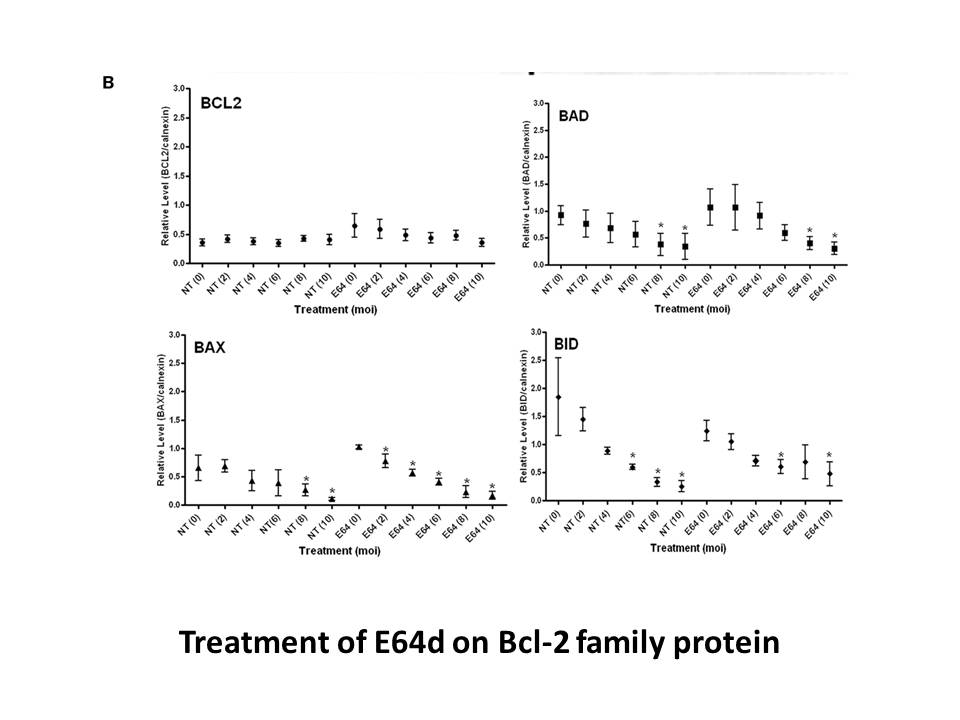
GK, also called hexokinase IV or D, is a glycolytic enzyme that converts KPT-276 sale to glucose-6-phosphate. GK has unique characteristics compared with those of the ubiquitously expressed hexokinase isoforms I–III, and is predominantly expressed in the pancreas and liver. In pancreatic β-cells, G
-
The identity of the K transport pathway activated by
2021-09-13
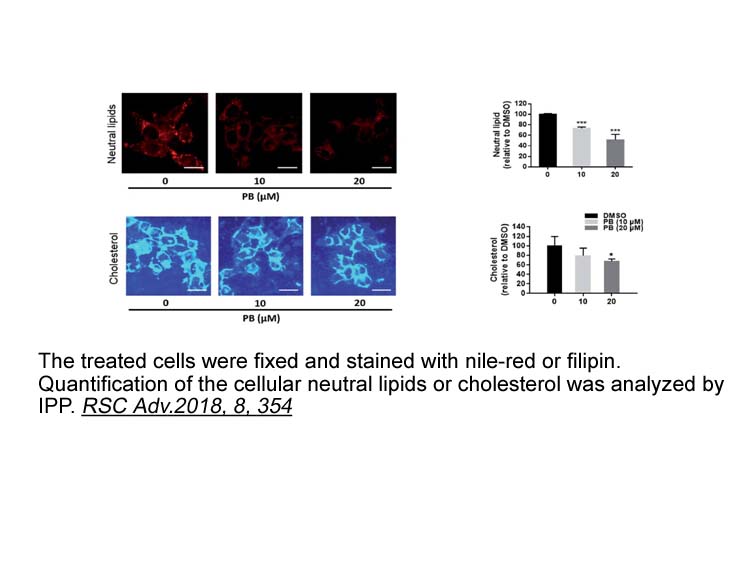
The identity of the K+ transport pathway activated by NEM remains unclear. The pathway does not require the presence of Gardos channel KCNN4 or K–Cl cotransporters KCC3 and KCC1, but like these pathways is sensitive to the presence of hemoglobin S or other sickling hemoglobins. Although partially se
-
br Conflict of interest br Transparency document br Acknowle
2021-09-13
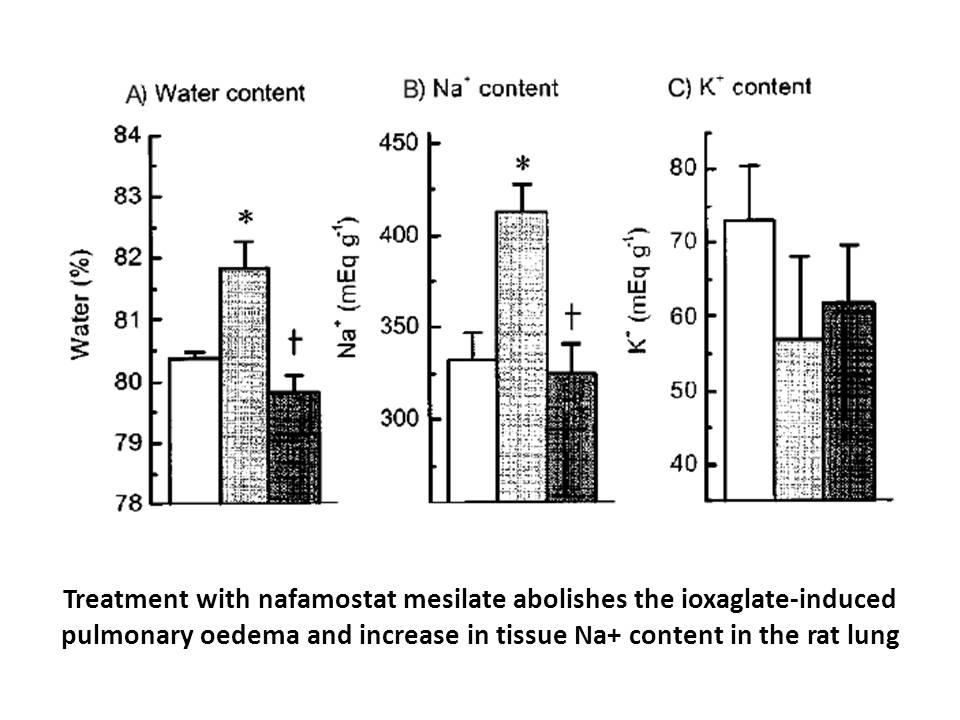
Conflict of interest Transparency document Acknowledgements We acknowledge our funding sources from the American Heart Association (13EIA4480016) and the National Institute of Health/National Heart, Lung, and Blood Institute (RO1 HL094414). We are very grateful to Dr. Shaohua Xiao and Dr. S
-
br Electron crystallographic structures of connexins The str
2021-09-13
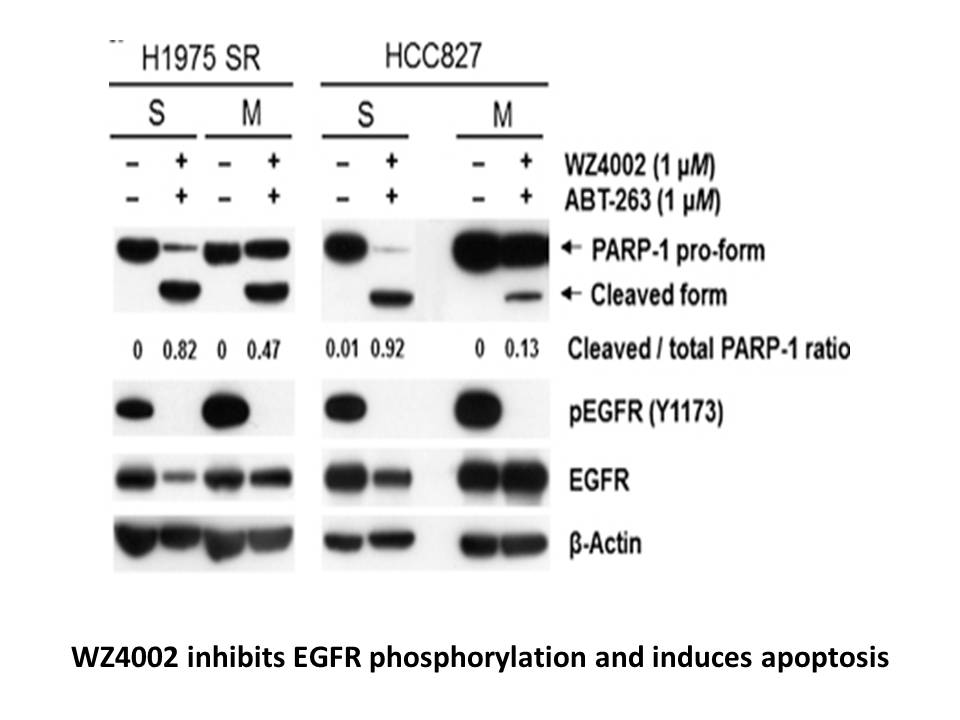
Electron crystallographic structures of connexins The structures of gap junctions are good targets for electron microscopy because they exhibit the characteristic features of self-assembly. Early studies examined the three-dimensional (3D) structures of native gap junction NG25 from rodents usin
-
Clinical data showed TAK was rapidly absorbed with a
2021-09-13

Clinical data showed TAK-875 was rapidly absorbed with a half-life of 28-30h and clearance primarily through glucouronidation in the liver with minimal urinary clearance [30]. TAK-875 made the glycosylated hemoglobin (HbA1c) levels fall significantly from baseline after 24-week administration in onc
-
The above mentioned studies are especially important since
2021-09-13
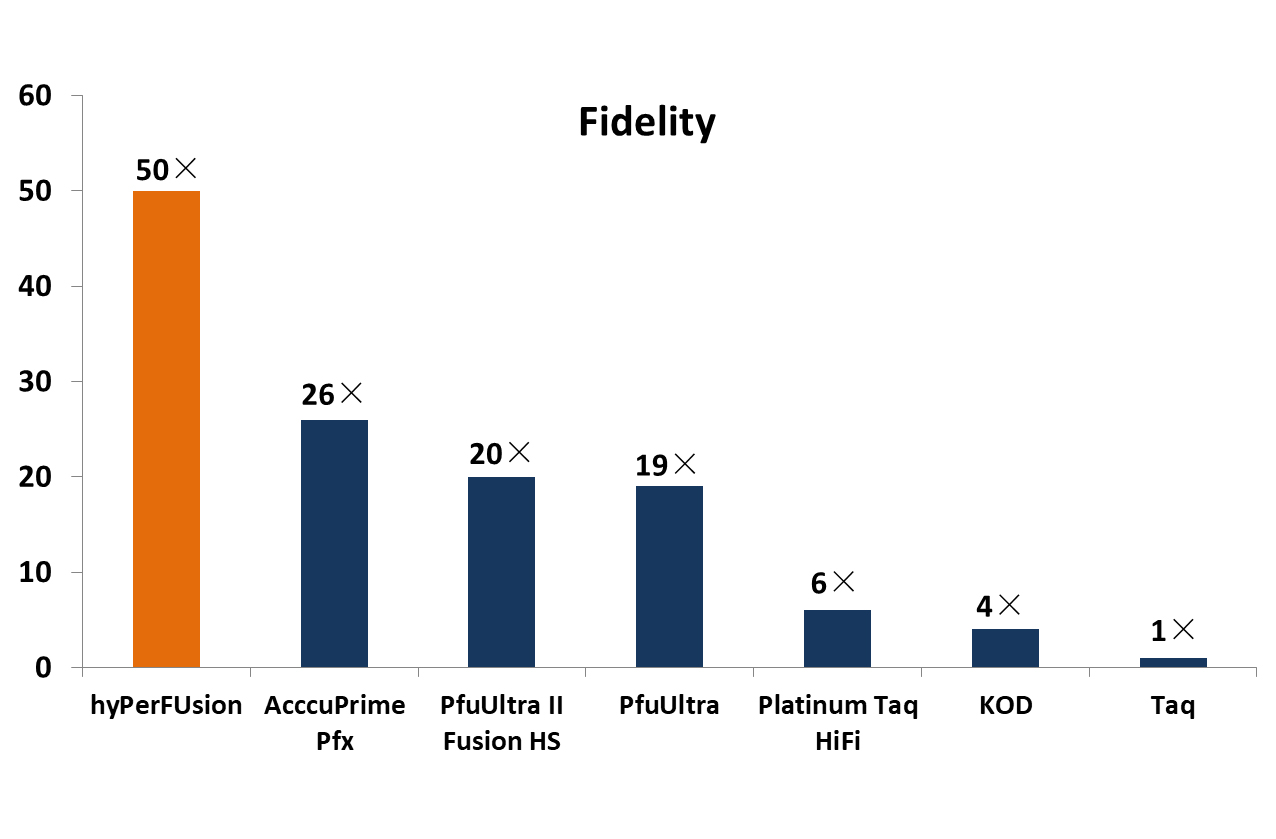
The above-mentioned studies are especially important since the structural alterations of the peritoneum during peritoneal dialysis are very similar to vascular and tissue alteration seen in diabetes. The tissue alterations during long-term peritoneal dialysis include a thickening and replication of
-
The initial hyperproliferation phase during
2021-09-11
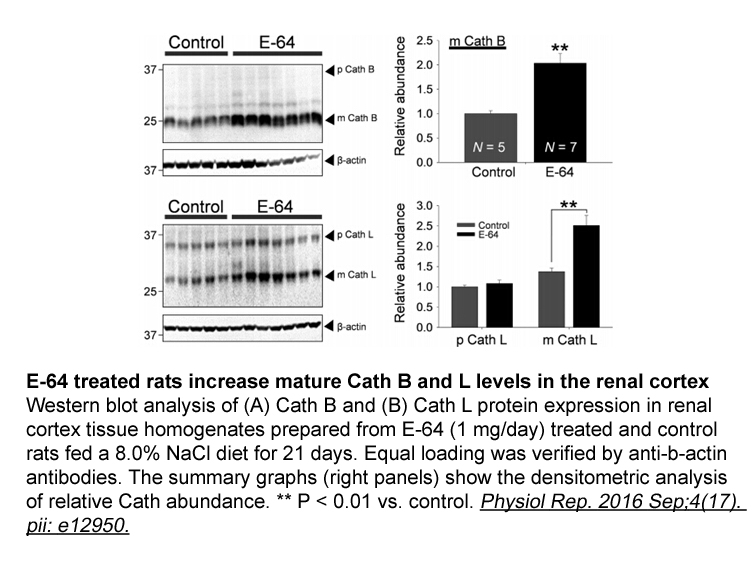
The initial hyperproliferation phase during crypt regeneration is reminiscent of the effects of Apc loss during tumour initiation and genetic studies show Yap and Taz are also required for adenoma formation in mice [10••, 12•, 13]. Furthermore, Yap activation by Mst1/2 or Sav deletion increases cry
-
br Methods br Involvement of HO in rheumatic diseases br
2021-09-11

Methods Involvement of HO-1 in rheumatic diseases Therapeutic strategy targeted HO-1 Based on the researches focusing on the effect of HO-1 in rheumatic diseases, amount of approaches targeting regulation of HO-1 have been arising (See Table 1 for summary). It has been shown that different
-
In conclusion the present study demonstrated that peripheral
2021-09-11
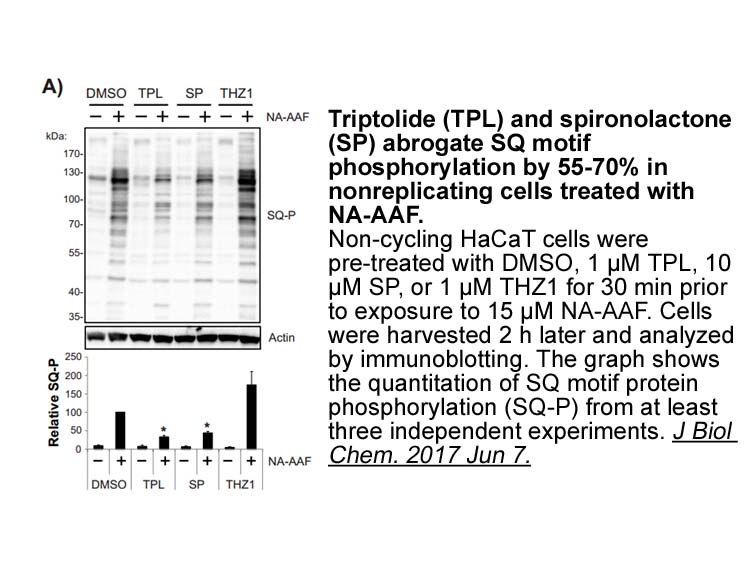
In conclusion, the present study demonstrated that peripheral nerve exposure to HIV gp120 increased the expression levels of the P2Y12 receptor in DRG SGCs and enhanced mechanical and thermal hyperalgesia in rat models. Up-regulation of the P2Y12 receptor in DRG SGCs further promoted the release of
-
GlxI is a member of the superfamily of
2021-09-11

GlxI is a member of the βαβββ superfamily of proteins, consisting of fosfomycin resistance protein (FosA), methylmalonyl-CoA epimerase (MMCE), extradiol dioxygenase (DIOX), mitomycin C resistance protein (MRP) and bleomycin resistance protein (BRP) [29], [30], [31]. These proteins are believed to ha
-
br Introduction Edible bird s nest EBN
2021-09-11

Introduction Edible bird's nest (EBN), known as the health and precious food, is produced from the saliva secretion of several different swiftlet species. Researches have shown the nutritional value of the EBN with the containing of glycoproteins, carbohydrates, essential amino acids, minerals a
-
Propylthiouracil synthesis Ras small GTPases are critical mo
2021-09-11
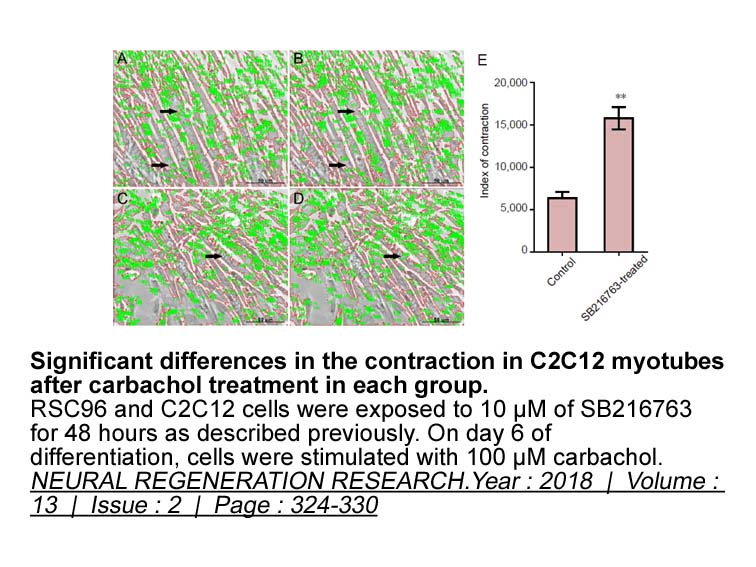
Ras small GTPases are critical molecular switches that connect extracellular signals to intracellular signaling pathways initiated by membrane receptors, such as growth factor receptors and G protein-coupled receptors (Simanshu et al., 2017). When shifting between active GTP-bound and inactive GDP-b
-
Introduction galactosidase d galactoside galactohydrolase
2021-09-10
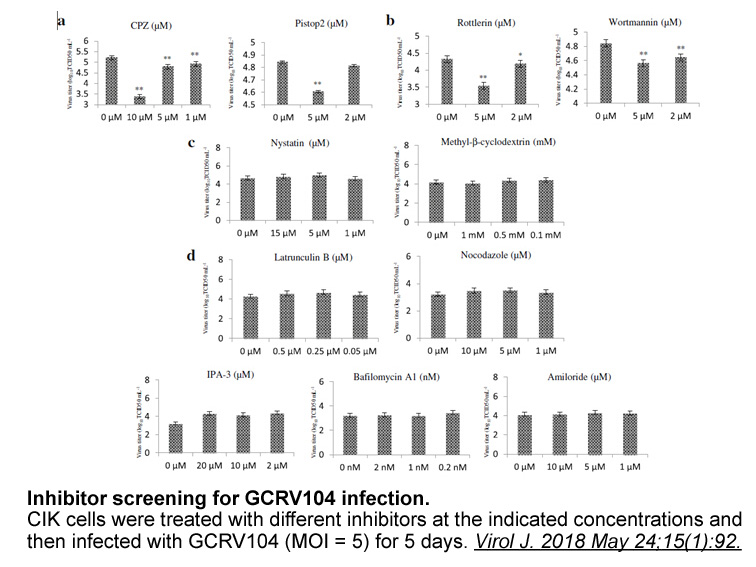
Introduction β-galactosidase (β-d-galactoside galactohydrolase or lactase; EC 3.2.1.23) is an important type of glycoside hydrolase that can catalyze the conversion of lactose to Quercitrin mg and galactose. Furthermore, it can also catalyze transglycosylation reactions, which are usually used for
-
Recently there are only a spot
2021-09-10
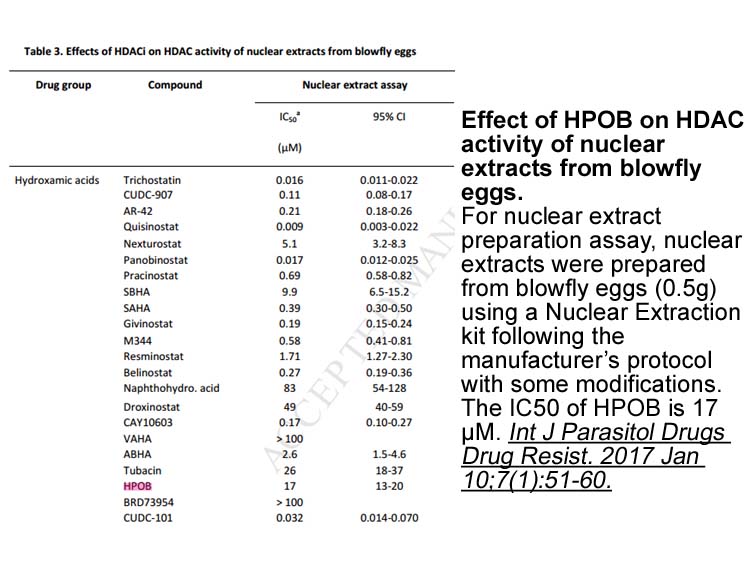
Recently, there are only a spot of FFA4 agonists reported in the literature (Fig. 1),13, 14, 15 and there is no selective FFA4 agonists have reached clinical trial for the treatment of T2DM. TUG-891, the first potent and selective FFA4 agonist, was developed in University of Southern Denmark as a wi
-
Acquiring resistance to the FGFR inhibitor
2021-09-10
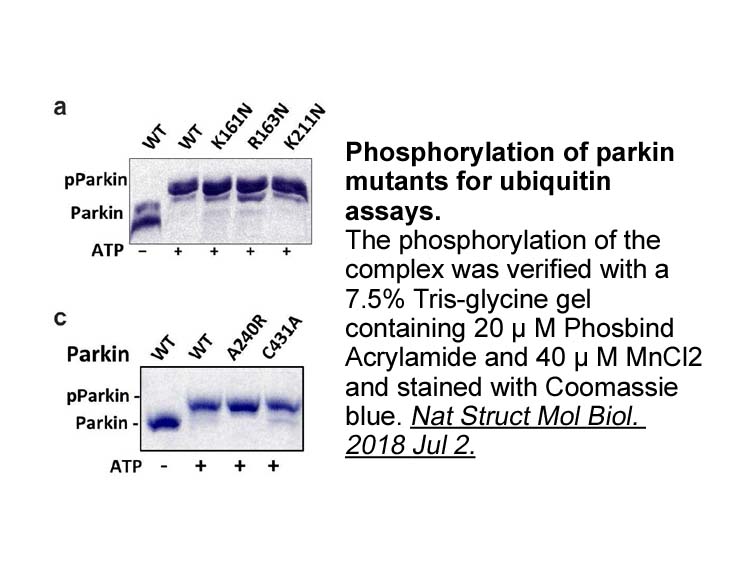
Acquiring resistance to the FGFR inhibitor may determine treatment outcomes in patients with GC dependent on FGFR2 amplification, and we investigated the mechanism of AZD4547 resistance in FGFR2-amplified GC cells. We established a FGFR2-amplified GC cell line resistant to the selective FGFR inhibit
16678 records 626/1112 page Previous Next First page 上5页 626627628629630 下5页 Last page