Archives
- 2026-09
- 2026-08
- 2026-07
- 2026-06
- 2026-05
- 2026-04
- 2026-03
- 2026-02
- 2026-01
- 2025-12
- 2025-11
- 2025-10
- 2025-09
- 2025-03
- 2025-02
- 2025-01
- 2024-12
- 2024-11
- 2024-10
- 2024-09
- 2024-08
- 2024-07
- 2024-06
- 2024-05
- 2024-04
- 2024-03
- 2024-02
- 2024-01
- 2023-12
- 2023-11
- 2023-10
- 2023-09
- 2023-08
- 2023-07
- 2023-06
- 2023-05
- 2023-04
- 2023-03
- 2023-02
- 2023-01
- 2022-12
- 2022-11
- 2022-10
- 2022-09
- 2022-08
- 2022-07
- 2022-06
- 2022-05
- 2022-04
- 2022-03
- 2022-02
- 2022-01
-
Nanaomycin A The relationship between AG and tau deposition
2023-07-28
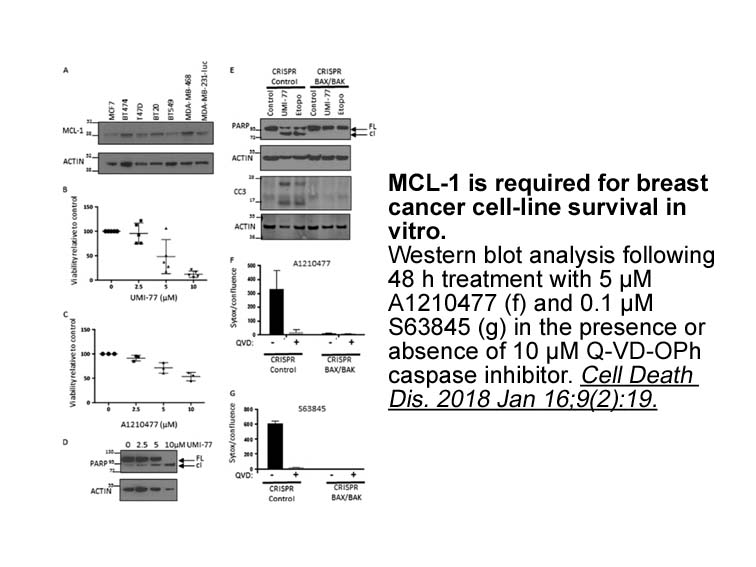
The relationship between AG and tau deposition in the presence of Aβ burden warrants more research in AD and in other primary tauopathies (not associated with accumulation of Aβ plaques). Our findings highlight the importance of measuring AG, as this relationship was not evident for total Nanaomycin
-
There are several strengths and weaknesses of the current in
2023-07-28
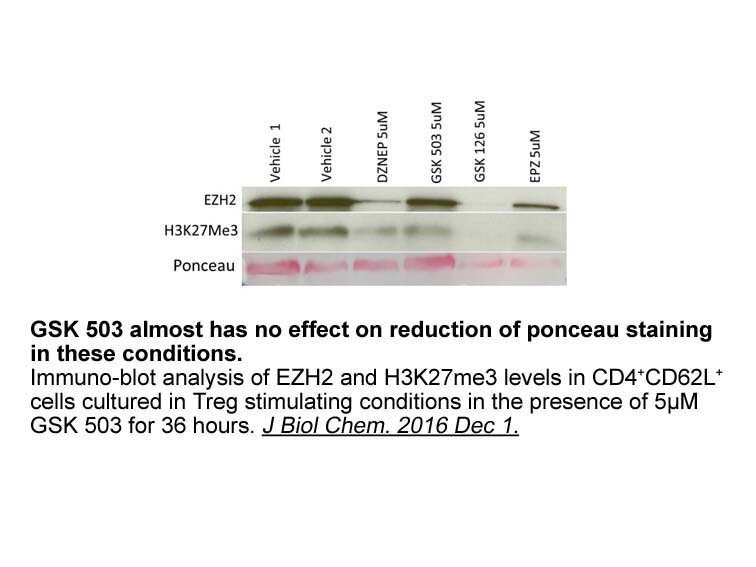
There are several strengths and weaknesses of the current investigation which merit consideration. Obviously, the current findings are important and less prone to bias than findings from traditional observational epidemiological studies, because causal investigations with the use of genetic variants
-
Interestingly all of the ROS rearrangements share a constant
2023-07-28
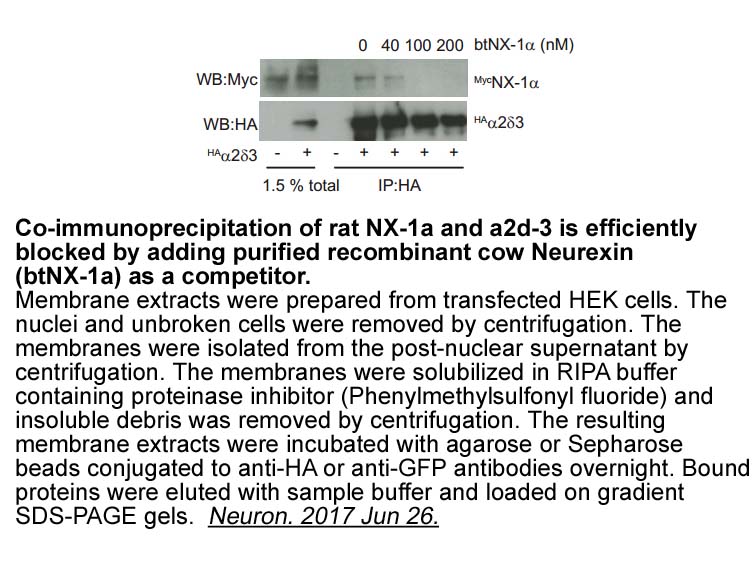
Interestingly, all of the ROS1 rearrangements share a constant breakpoint in ROS1 and the fusion product contain the kinase domain resulting in aberrant ROS1 expression with constitutive kinase activity. Intrachromosomal deletions and interchromosomal translocations have demonstrated the existence o
-
br Experimental br Acknowledgment br
2023-07-28
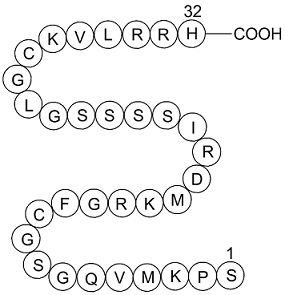
Experimental Acknowledgment Introduction The NADPH-dependent reduction of d-glucose catalyzed by aldose reductase (E.C.1.1.1.21) (AR) is considered as one of the phenomena leading to the onset of long term diabetic complications [as review see: [1], [2]. In fact, the reduction of the sugar,
-
Through systematic deletion of AhR in specific cell types Di
2023-07-28
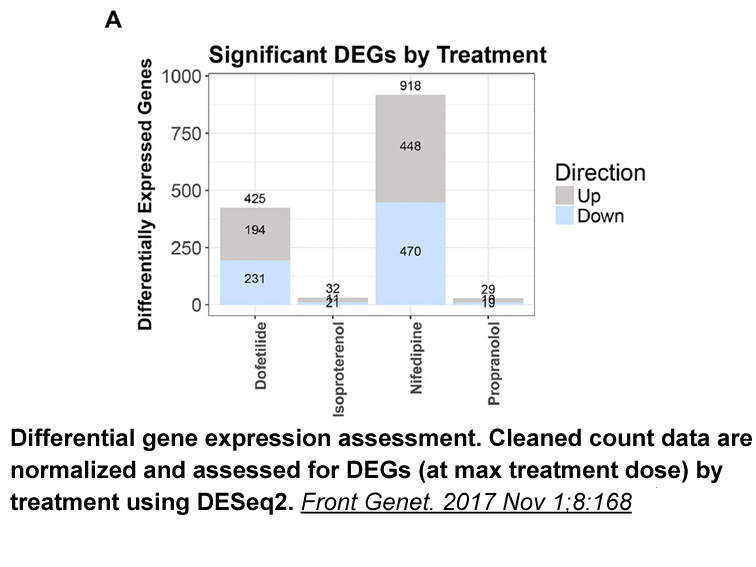
Through systematic 69 6 of AhR in specific cell types, Di Meglio et al. (2014) revealed that AhR in keratinocytes and fibroblasts are key to the exacerbated psoriatic phenotype induced by IMQ in AhR-deficient mice. This emphasizes the crosstalk between keratinocytes and the immune system to regulat
-
br Impact of global AHR deficiency on
2023-07-28
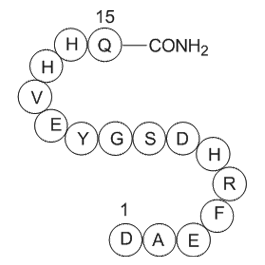
Impact of global AHR deficiency on diet-induced obesity Two subsequent studies in which AHR function was affected at the whole animal level corroborated the role of AHR in dietary obesity. Xu et al. [14] showed that on a high-fat diet, both AHR-deficient Ahr−/− and hemizygous Ahr+/− mice gained s
-
ekb br Functions essentially consisting in transport of subs
2023-07-28
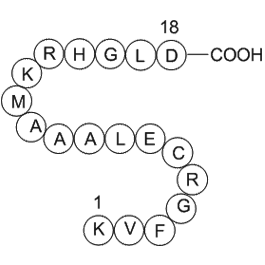
Functions essentially consisting in transport of substrates across plasma membranes Direct activation of neurotransmitter transporters elicits responses in neurons As previously mentioned (Section 2.1), nerve terminals handling classical transmitters possess transporters able to (re)capture se
-
We now present a series of findings
2023-07-28
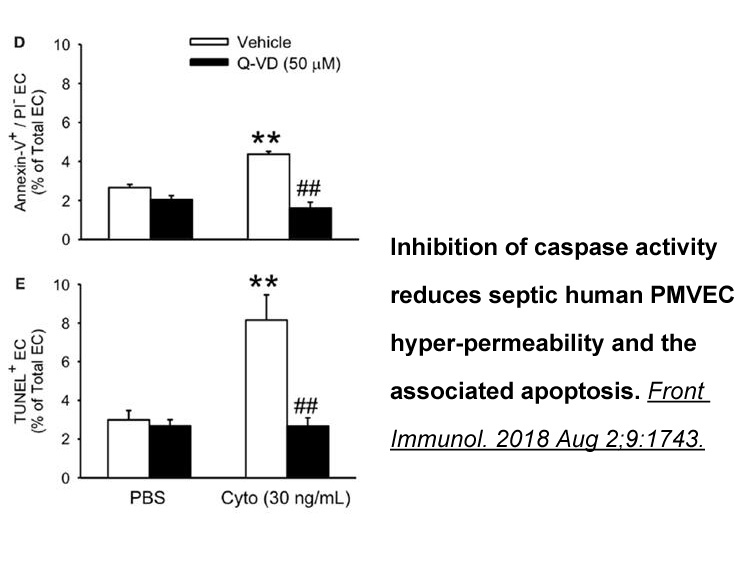
We now present a series of findings obtained in heterologous expression systems, brain slices, and living animals that suggest that any interaction between mGlu7 and α1-adrenergic receptors exists, is specific, and is physiologically and behaviourally relevant. Materials and methods Norepinephri
-
Interestingly our transgenic mouse model with macrophages ex
2023-07-28
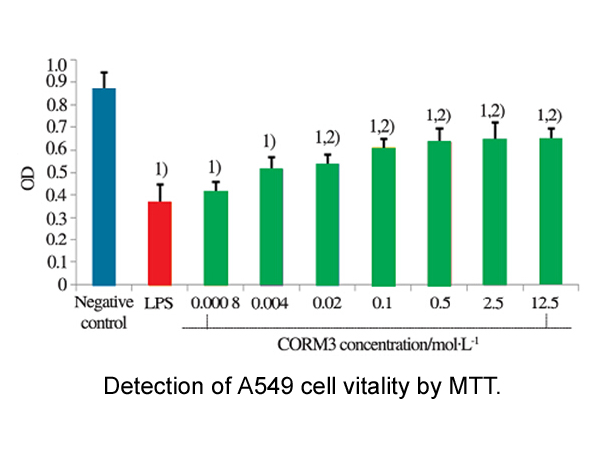
Interestingly, our transgenic mouse model with macrophages expressing AdipoR1 showed not only improved insulin sensitivity and inflammation in skeletal muscle and adipose tissues, but fat mass, macrophage and plasma lipid accumulation and foam cell formation was also favorably reduced resulting from
-
SC75741 In fact serotonin is a
2023-07-28
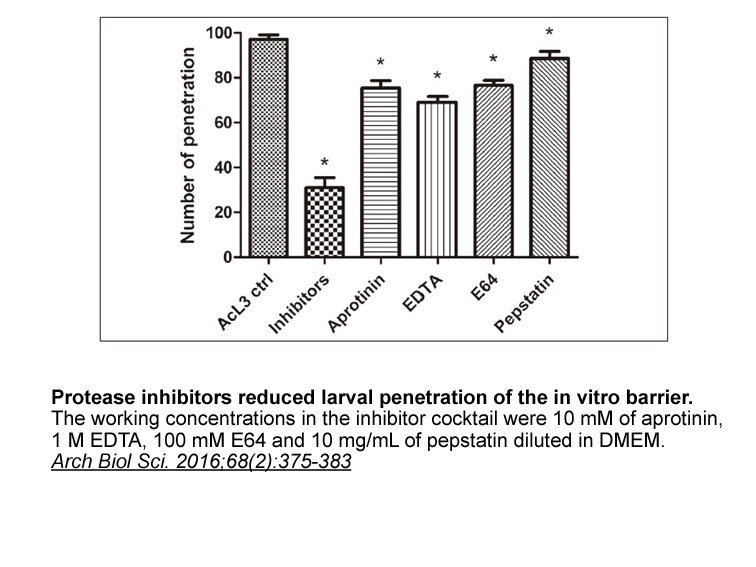
In fact, serotonin is a major modulator of dopaminergic (DA) neuronal activity through the 5-HT2C receptor. Studies have shown that the selective 5-HT2C receptor agonist Ro60-0175 blocks the burst-firing of mesolimbic DA neurons, which project from the ventral tegmental area (VTA) to the nucleus ac
-
br Conclusions br Acknowledgments This research was funded b
2023-07-28
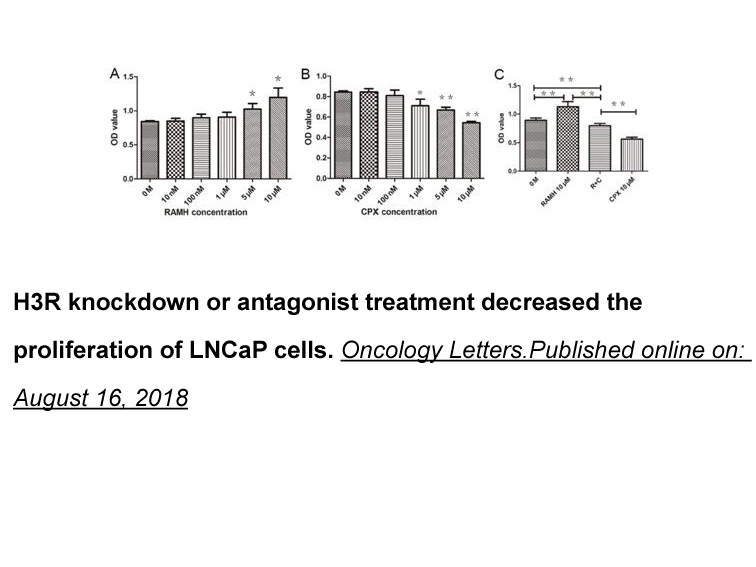
Conclusions Acknowledgments This research was funded by the National Science Foundation Committee (NSFC) of China (Nos. 81171058 and 81471146) and Capital Development Scientific Research in China (Nos. 2011-5001-04 and 2014-4-5013). We are grateful for all of the participants who donated blood
-
Previous studies have demonstrated the presence of soluble
2023-07-28
Previous studies have demonstrated the presence of soluble NTPDases, 5′-nucleotidase and adenosine deaminase in rat blood serum as well as in human blood (Doleski et al., 2016; Oses et al., 2004; Yegutkin, 1997; Yegutkin et al., 2007). In addition, our earlier reports have shown that these membrane-
-
citco The AChR is composed of five homologous
2023-07-27
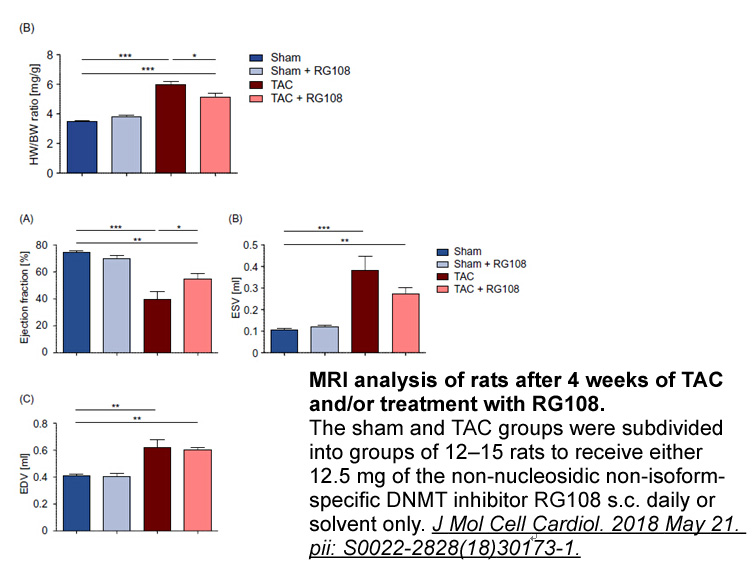
The AChR is composed of five homologous, membrane-spanning subunits. AChRs containing two α, one β, one δ and one γ subunit (AChRγ) predominate during embryonic development and mice lacking AChRγ die at birth (Takahashi et al., 2002). After birth, the AChRγs are replaced during the first 2 postnata
-
Apoptosis or programmed cell death is a
2023-07-27
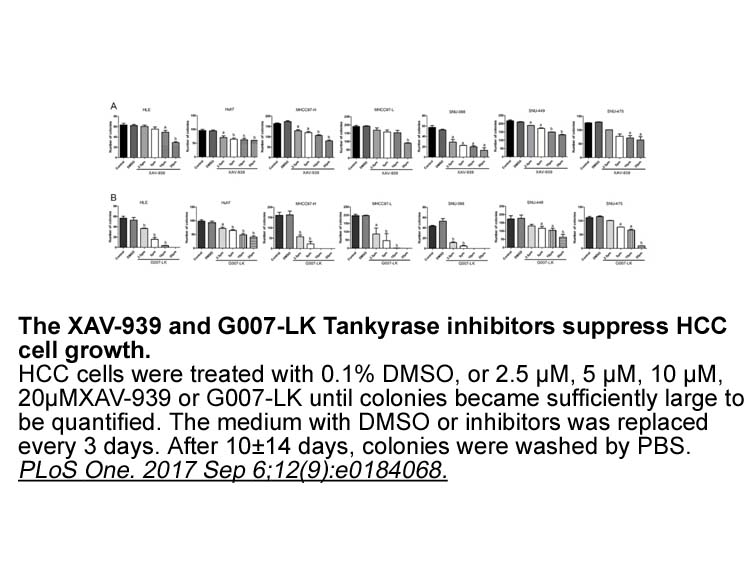
Apoptosis or programmed cell death is a function of biochemical mechanisms, which are energy-dependent. It is considered to be a vital component of many processes such as normal cell cycle, immune mechanism, atrophy, embryonic development and toxin-induced cell death (Elmore, 2007). In addition, apo
-
br Acknowledgments This work was
2023-07-27
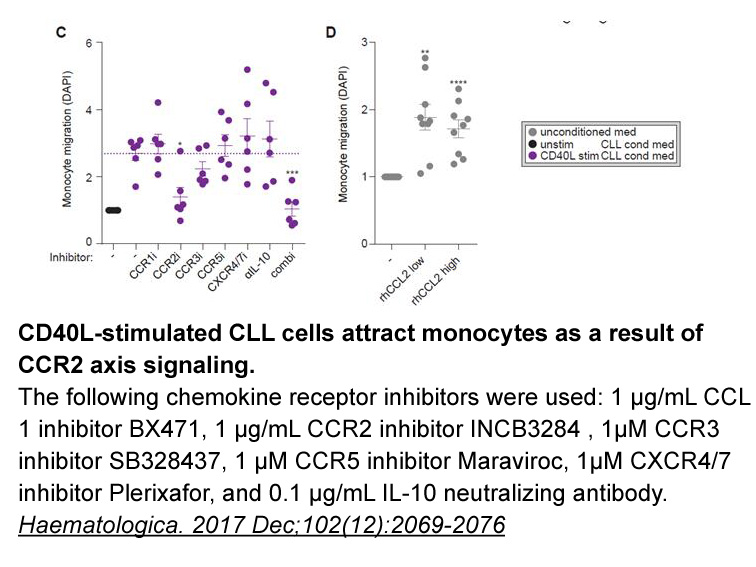
Acknowledgments This work was supported by the R&D Program of the Institutional Research Program of KRICT (SI1701-02), and by the Next generation carbon upcycling project of Ministry of Science and ICT. JSC is kindly grateful to the National Research Council of Science and Technology (NST) for fi
8491 records 338/567 page Previous Next First page 上5页 336337338339340 下5页 Last page