Archives
- 2026-09
- 2026-08
- 2026-07
- 2026-06
- 2026-05
- 2026-04
- 2026-03
- 2026-02
- 2026-01
- 2025-12
- 2025-11
- 2025-10
- 2025-09
- 2025-03
- 2025-02
- 2025-01
- 2024-12
- 2024-11
- 2024-10
- 2024-09
- 2024-08
- 2024-07
- 2024-06
- 2024-05
- 2024-04
- 2024-03
- 2024-02
- 2024-01
- 2023-12
- 2023-11
- 2023-10
- 2023-09
- 2023-08
- 2023-07
- 2023-06
- 2023-05
- 2023-04
- 2023-03
- 2023-02
- 2023-01
- 2022-12
- 2022-11
- 2022-10
- 2022-09
- 2022-08
- 2022-07
- 2022-06
- 2022-05
- 2022-04
- 2022-03
- 2022-02
- 2022-01
-
Physiological total plasma LPA levels are normally less
2023-11-30
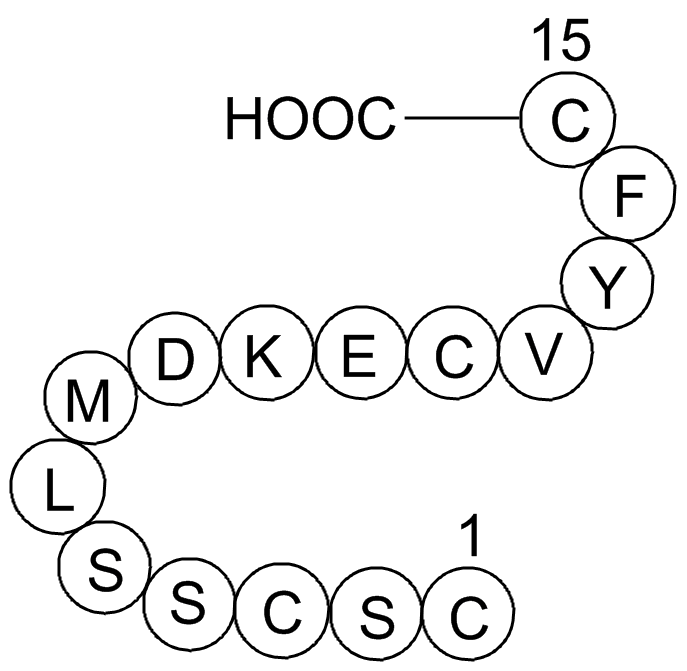
Physiological total plasma LPA levels are normally less than 1μM in healthy subjects. LPA levels have been reported to be increased in malignant effusions or plasma in cancer patients [20]. In addition, increasing ATX activity detected in healthy pregnant women in the third trimester of pregnancy ex
-
Our current knowledge on autophagy broadly differentiates
2023-11-30
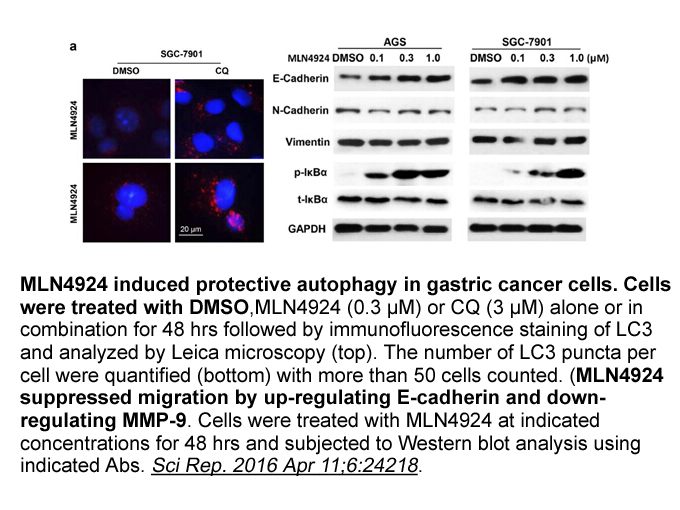
Our current knowledge on autophagy broadly differentiates it into three types: macroautophagy, microautophagy, and chaperone-mediated autophagy. Macroautophagy mainly involves the sequestration of cytoplasmic contents in a double-walled membrane followed by the fusion with the lysosomes. The lysosom
-
The importance of the ATM
2023-11-30

The importance of the ATM/Tel1 to ATR/Mec1 switch in the response to DSBs remains to be determined. Noteworthy, resection-defective S. cerevisiae cells, such as sae2Δ, exo1Δ, fun30Δ or sgs1Δ mutants, fail to turn off the checkpoint in response to an unrepaired DSB [56], [127], [128]. Moreover, the s
-
Numerous epidemiological studies document fewer cardiovascul
2023-11-29
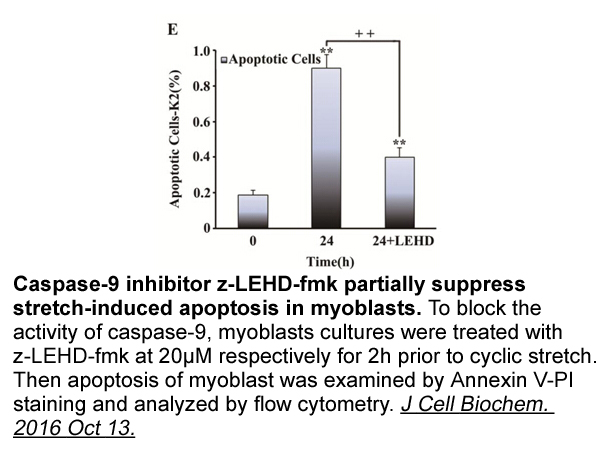
Numerous epidemiological studies document fewer cardiovascular events and increased survival of non-CKD individuals treated with angiotensin-converting enzyme inhibitors/angiotensin receptor blockers (ACEI/ARBs) [8], [9]. By contrast, there are few studies of cardiovascular benefits of interruption
-
br Duality of interest br
2023-11-29
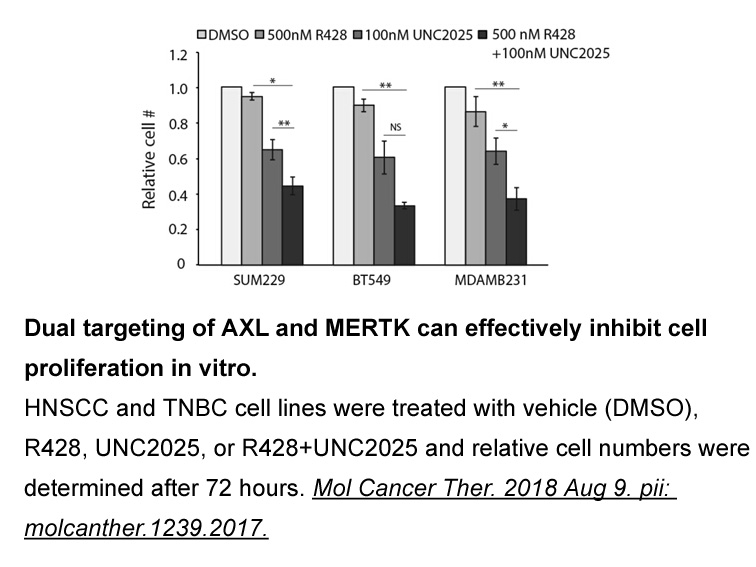
Duality of interest Contribution statement Acknowledgments Introduction Rapid, cell surface-initiated steroid actions have been reported for all major groups of steroid hormones and our understanding of membrane-mediated steroid actions has progressed rapidly over the last two decades. M
-
A central question that arises in this discussion is
2023-11-29
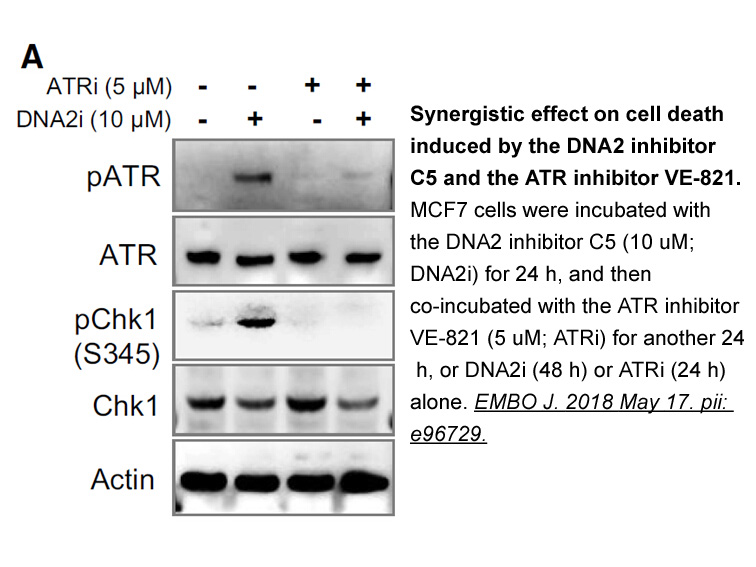
A central question that arises in this discussion is whether enhanced neurobehavioral responses to food cues emerge as a consequence of weight gain, or whether there are intrinsic differences in the motivational responses to food cues that precede weight gain. In support of pre-existing differences,
-
br Methods br Results br Discussion Agitation in
2023-11-29
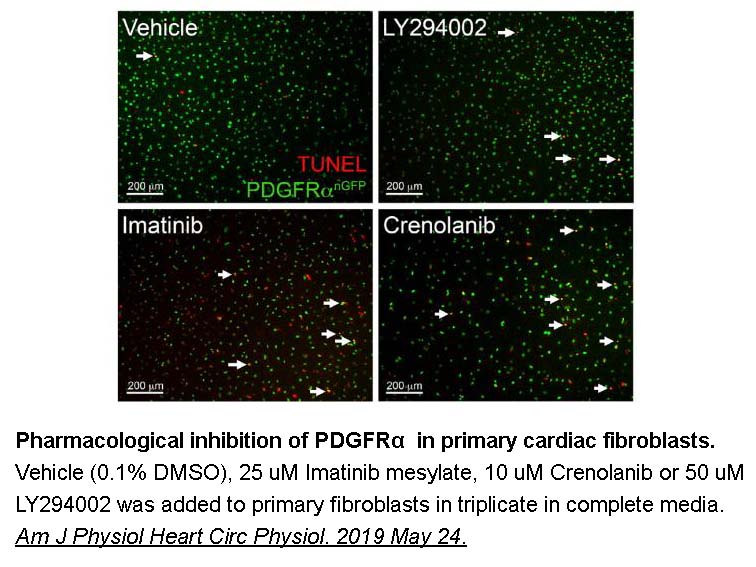
Methods Results Discussion Agitation in dementia has recently been defined as a syndrome characterized by inferred or observed evidence of emotional distress associated with at least one behavioral component, i.e. excessive motor activity, verbal or physical aggression (Cummings et al., 201
-
First investigation of numerous membered ether
2023-11-29
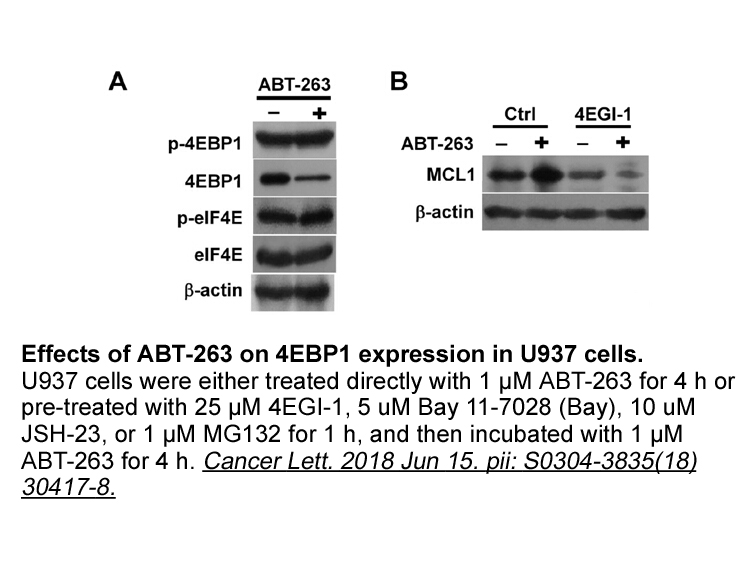
First, investigation of numerous 12-14-membered ether-linked macrocycles revealed that smaller motifs were most lipophilic efficient. Compound (3) (12-membered macrocycle) exhibited good cellular potencies (ALK IC50 = 1.0 nM; ALK-L1196 M IC50 = 20 nM) and the highest LipE (4.4) with picomolar bindin
-
In large biopsies series from ALK
2023-11-29
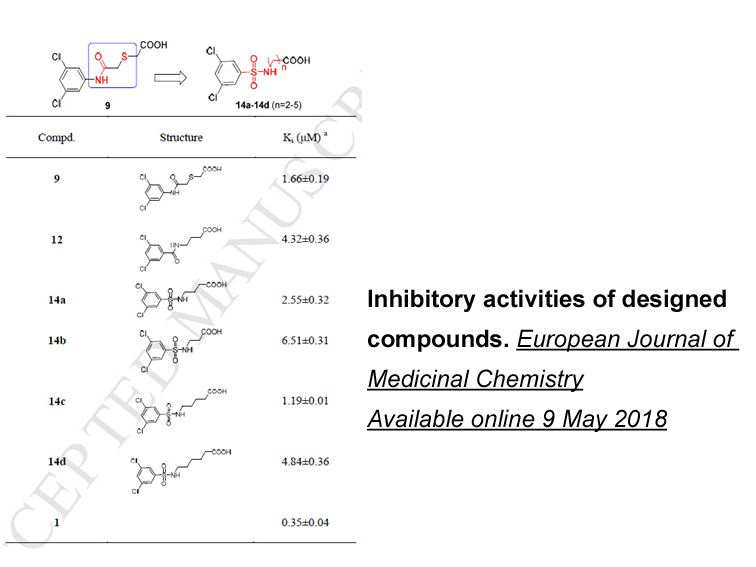
In large biopsies series from ALK+ NSCLC treated patients, the number of detected mutations increased after second generation ALKi (Gainor et al., 2016) and in one study were present in 56% of the entire cohort (Shaw et al., 2013b). For example, the rate of G1202R mutations increases from 2% in post
-
AKT has been shown to be important for G S
2023-11-29
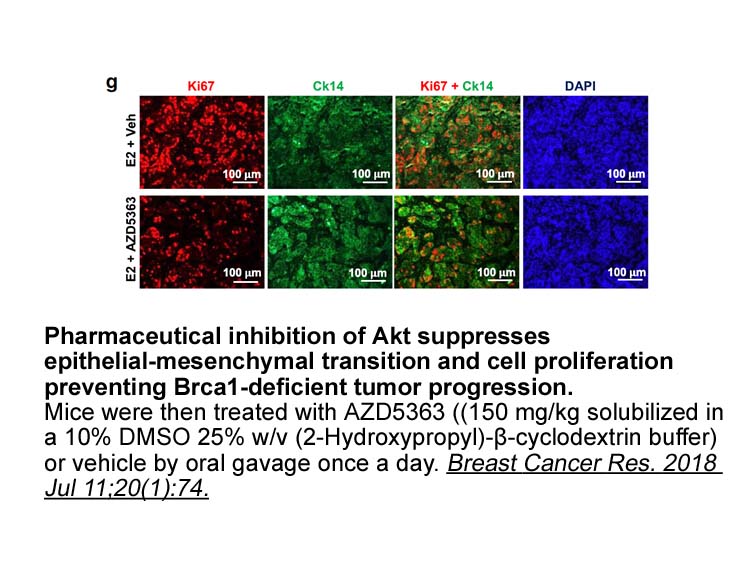
AKT1 has been shown to be important for G1-S checkpoint transition and proliferation, whereas AKT2 regulates cell-cycle exit through its interaction with p21 (Héron-Milhavet et al., 2006). In a recent study in triple negative breast cancer, AKT3, rather than AKT1 activity was most important for cell
-
The numbers and types of molecules needing to
2023-11-29
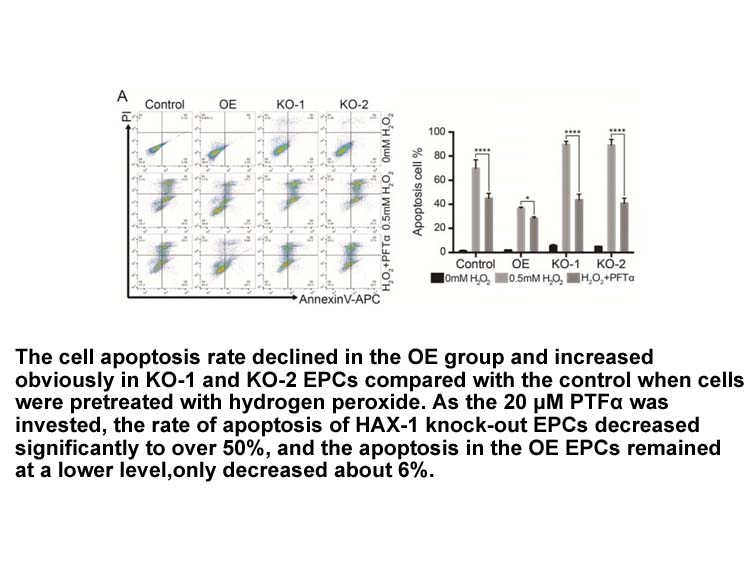
The numbers and types of molecules needing to be transported across membranes are very large, and there is a corresponding very large and diverse number of transporters expressed throughout the body. Hundreds of proteins that have been assigned as having transporter function are broadly divided into
-
Vortioxetine is a multimodal antidepressant
2023-11-29
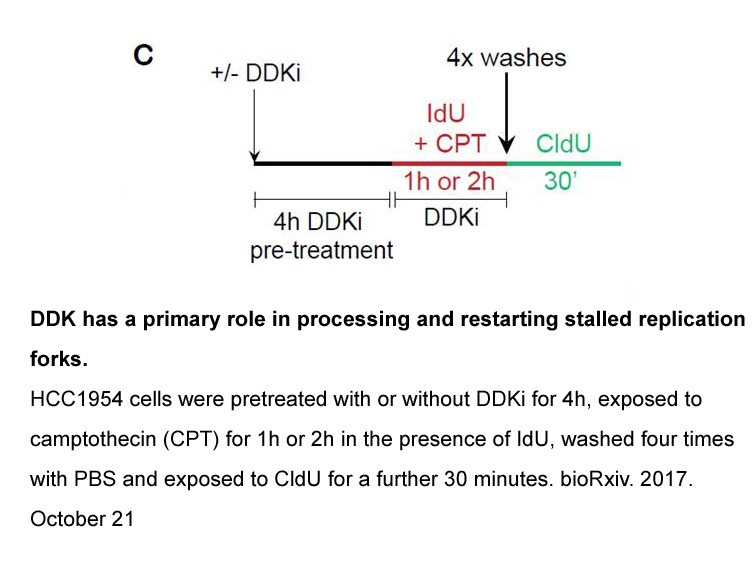
Vortioxetine is a multimodal antidepressant that acts as an inhibitor at the serotonin (5-HT) transporter (SERT), an agonist at 5-HT1A receptors, a partial agonist at 5-HT1B receptors, and an antagonist at 5-HT1D, 5-HT3 and 5-HT7 receptors (Bang-Andersen et al., 2011, Sanchez et al., 2015). Based on
-
In summary this study reveals that
2023-11-29
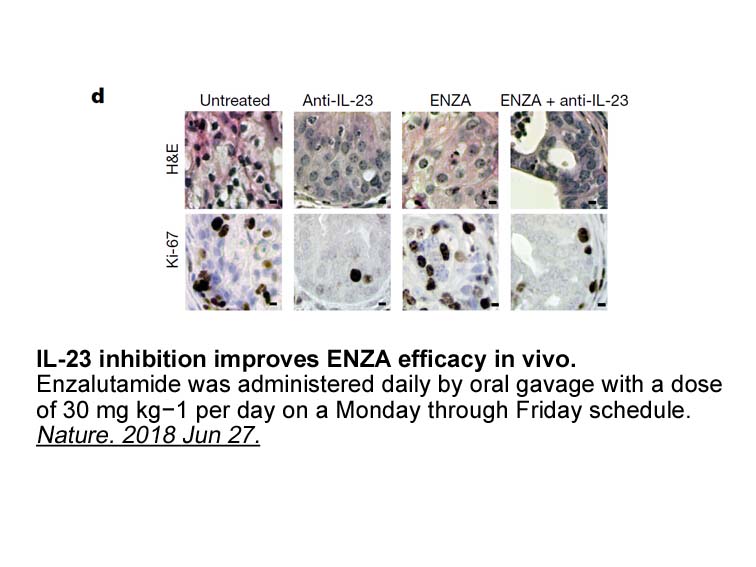
In summary, this study reveals that the stability of rapsyn is critically dependent on HSP90β, highlighting a novel function of HSP90β in NMJ formation and maintenance. It also identifies a mechanism in agrin signaling for AChR clustering, i.e., by upregulating the interaction between HSP90β and rap
-
Fmoc-D-Lys(Boc)-OH A weakness of our technique is that durin
2023-11-29
A weakness of our technique is that during the early post-operative period without the scaffold of an enteric channel patients can be at risk for traumatic or difficult catheterization, with 3 of 6 requiring a visit. This appeared to be offset by having skilled and educated housestaff capable of rec
-
Upregulation of ACLY is common in many
2023-11-29
Upregulation of ACLY is common in many cancers (Kuhajda, 2000, Milgraum et al., 1997, Swinnen et al., 2004, Yahagi et al., 2005). This is in part due to the transcriptional activation by SREBP-1 resulting from the activation of the PI3K/AKT pathway in cancers (Kim et al., 2010, Nadler et al., 2001,
8491 records 265/567 page Previous Next First page 上5页 261262263264265 下5页 Last page