Archives
- 2026-10
- 2026-09
- 2026-08
- 2026-07
- 2026-06
- 2026-05
- 2026-04
- 2026-03
- 2026-02
- 2026-01
- 2025-12
- 2025-11
- 2025-10
- 2025-09
- 2025-03
- 2025-02
- 2025-01
- 2024-12
- 2024-11
- 2024-10
- 2024-09
- 2024-08
- 2024-07
- 2024-06
- 2024-05
- 2024-04
- 2024-03
- 2024-02
- 2024-01
- 2023-12
- 2023-11
- 2023-10
- 2023-09
- 2023-08
- 2023-07
- 2023-06
- 2023-05
- 2023-04
- 2023-03
- 2023-02
- 2023-01
- 2022-12
- 2022-11
- 2022-10
- 2022-09
- 2022-08
- 2022-07
- 2022-06
- 2022-05
- 2022-04
- 2022-03
- 2022-02
- 2022-01
Interaction between AhR and ligands leads
2024-07-12
Interaction between AhR and ligands leads to AhR transformation (Fig. 1), characterized by a rapid receptor nuclear translocation and the formation of AhR/Arnt complex and the release of the chaperone proteins. Following AhR transformation, the AhR/Arnt complex binds to its cognate DNA consensus seq
In contrast to the beneficial treatment
2024-07-12
In contrast to the beneficial treatment of skin-inflammation with PAH containing coal tar, epidemiology showed that environmental pollution, containing AHR-activating PAH, lead to more eczema [80]. Of note, other epidemiological data suggested that Th17 cell polarization may be enhanced air pollutio
In contrast to the beneficial treatment
2024-07-12
In contrast to the beneficial treatment of skin-inflammation with PAH containing coal tar, epidemiology showed that environmental pollution, containing AHR-activating PAH, lead to more eczema [80]. Of note, other epidemiological data suggested that Th17 cell polarization may be enhanced air pollutio
The direction of research then turned
2024-07-12
The direction of research then turned to investigating the long-term effects of adiponectin on insulin resistance. Adiponectin transgenic mice showed a reduction in insulin resistance and diabetes [5,6], while adiponectin-deficient mice showed mild insulin resistance with glucose intolerance, as wel
br Adenosine receptors and the adaptive immunity T lymphocyt
2024-07-12
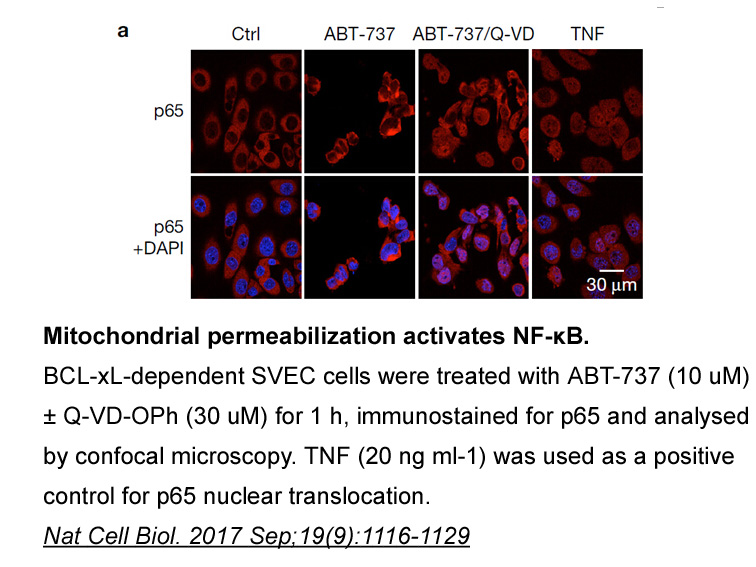
Adenosine receptors and the adaptive immunity T lymphocytes are responsible for the cell-mediated immune response [95]. These cells can be stimulated by the presentation of antigenic moieties by APCs, such as dendritic cells or macrophages [96]. The presentation of antigenic molecules on the APC
The synthetic route to M developed by Rice
2024-07-11

The synthetic route to M100907 developed by Rice was utilized, however, the chiral resolution was carried out at an earlier stage to provide the possibility of introducing different substituents onto the piperidinyl group. The conditions for this resolution were different from previously reported.
atomoxetine hcl The gene SRD A encodes
2024-07-11
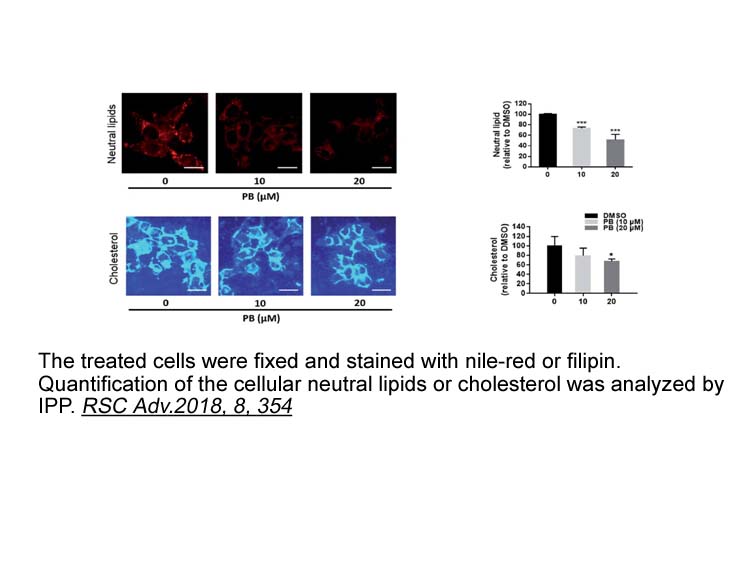
The gene SRD5A2 encodes the 5-α-reductase enzyme, which converts testosterone into dihydrotestosterone. Although dihydrotestosterone levels are considerably lower than testosterone, dihydrotestosterone has a five-fold stronger binding capacity to the androgen receptor and, thereby, a considerably mo
br Autophagy and cell death pathways in ischemic
2024-07-11
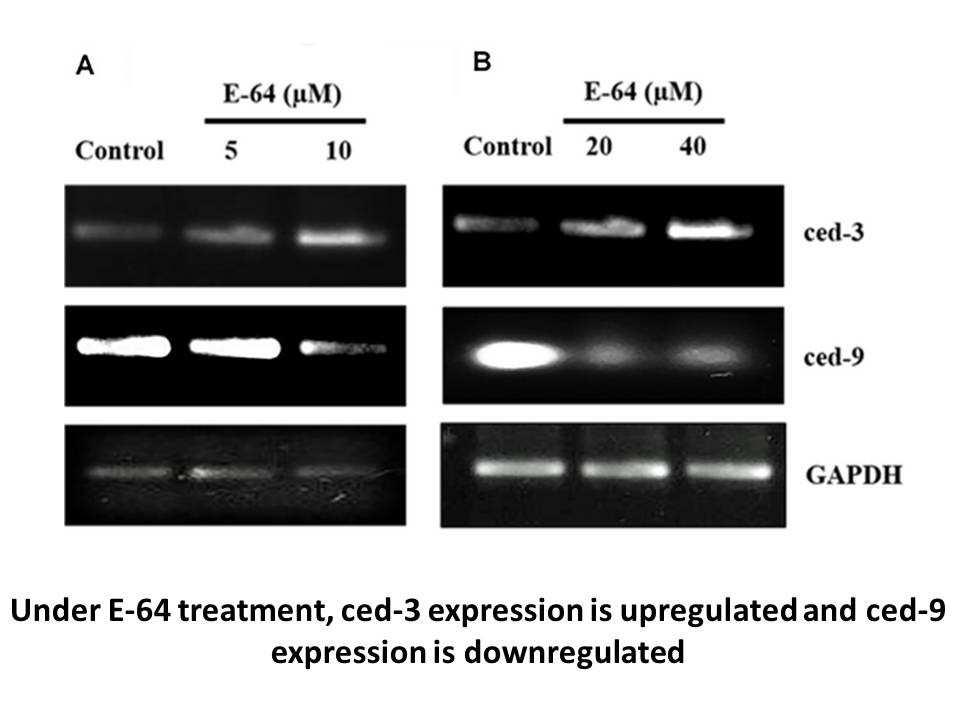
Autophagy and cell death pathways in ischemic stroke Although very important for the effects on post-ischemic CORM-3 injury, autophagy is not the only mechanism of action involved in cell death. Necrosis and apoptosis are two other distinct forms of cell death with great difference in morphology
Aurora A or B selective
2024-07-11
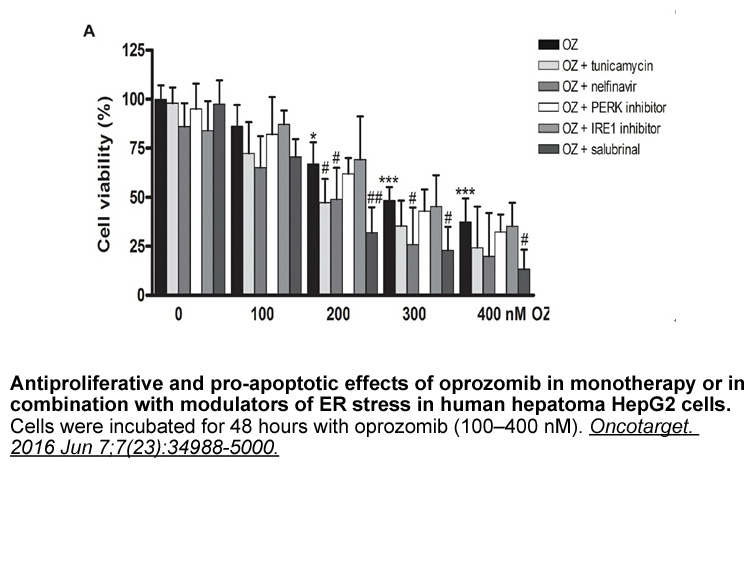
Aurora -A or -B selective and pan-aurora inhibitors have demonstrated different preclinical and clinical therapeutic efficacies [2,[19], [20], [21], [22], [23]]. For example, clinical trials for a pan-Aurora inhibitor VX-680 (developed by Vertex) were halted at phase II for toxicity reasons (one cas
The canonical binding sites to
2024-07-11
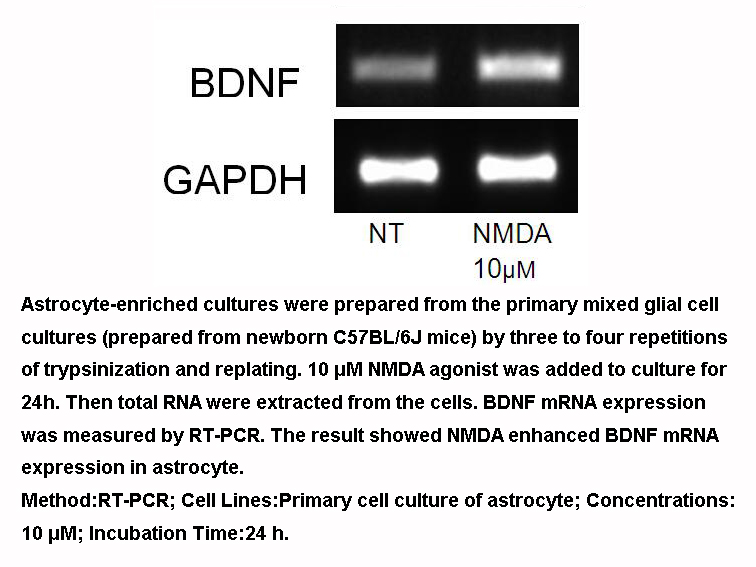
The canonical AZD1208 australia to which α2, α3, or α5 contribute are highly similar. Therefore, differences in ligand affinity will not be large even if a ligand makes optimal use of the small differences in the pockets. As a possible alternative approach to achieve separation of compound effects,
According to the diversity in molecular
2024-07-11
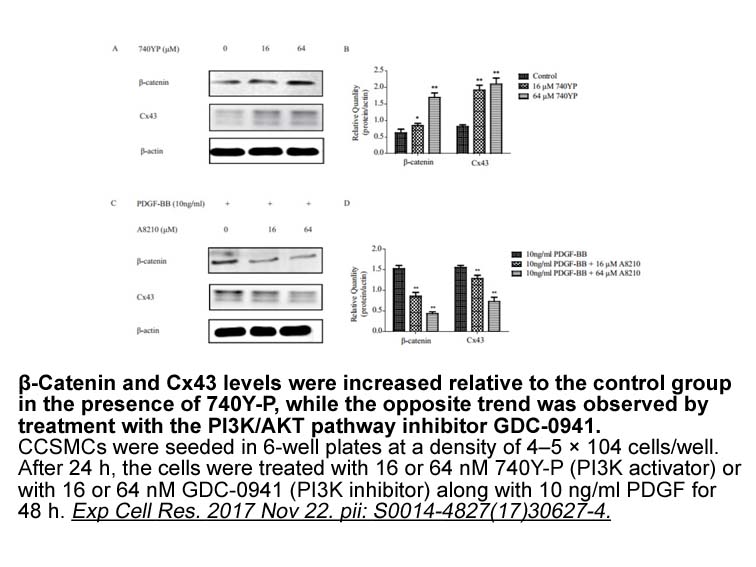
According to the Talabostat mesylate in molecular skeletons, aromatase inhibitors can be categorized into two types: steroidal and non-steroidal blockers [6]. Steroidal AI (e.g., exemestane in Fig. 1) derived from the substrate androstenedione interacts with aromatase through chemical actions, resul
br Conflicts of interest br Introduction Photodynamic Therap
2024-07-11
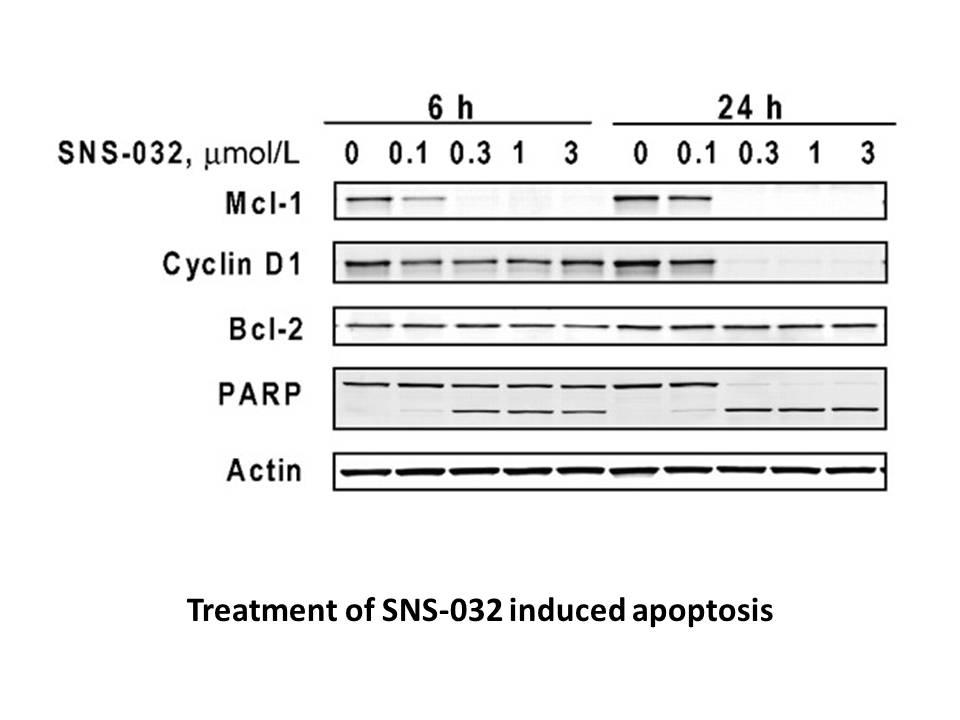
Conflicts of interest Introduction Photodynamic Therapy (PDT) is a technique used for the treatment of several malignant and non malignant diseases (Akimoto, 2016, Keyal, Bhatta, Wang, 2016, Morton, Szeimies, Sidoroff, Wennberg, Basset-Seguin, Calzavara-Pinton, Gilaberte, Hofbauer, Hunger, Kar
The alamarBlue test revealed that
2024-07-11
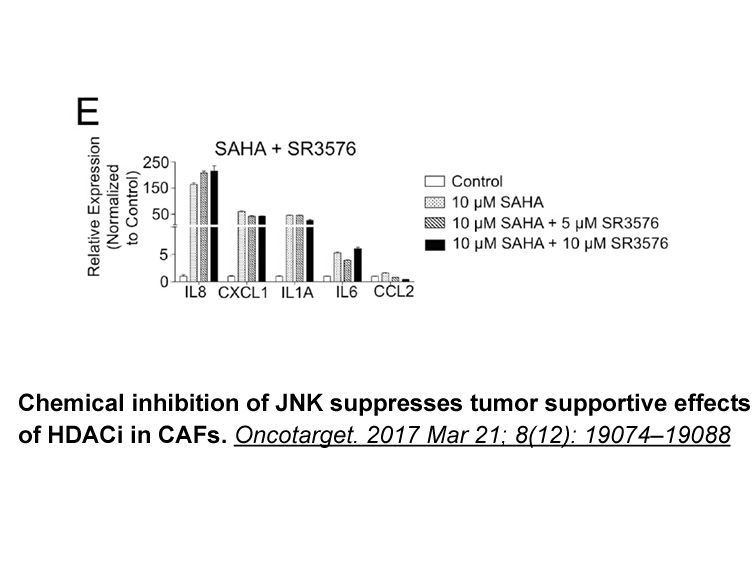
The alamarBlue test revealed that recombinant apelin led to an increase in basal and IGF1- and FHS-induced ovarian cell proliferation. Apelin increased ERK1/2 and Akt protein expression, but cell proliferation returned to control levels in the presence of kinase inhibitors. This suggests that the pr
Introduction Enzymatic browning degrades quality safety and
2024-07-11

Introduction Enzymatic browning degrades quality, safety, and nutritional values of various fruits or vegetable products. For example, the color of apple or potato is generally yellowish, representing freshness. However, they are extremely susceptible to enzymatic browning because of abundant polyp
Akt is another upstream kinase
2024-07-11
Akt is another upstream kinase known to phosphorylate AMPK Ser489 in response to high insulin levels [7], [21]. HepG2 Sodium Orthovanadate show an increase in phosphorylation of AMPK at Ser485 when incubated with either insulin or troglitazone individually (Fig. 5A and C). Despite this concurrent i
8563 records 155/571 page Previous Next First page 上5页 151152153154155 下5页 Last page